
Introduction
Every growing software company wants to release new features that improve customer experience while keeping systems stable and secure. The ability to deploy product updates smoothly is one of the biggest factors that separates successful SaaS businesses from those that struggle with delays, bugs, and unhappy users. A reliable release process reduces downtime, improves customer trust, and allows development teams to innovate with confidence. For organizations building modern software, every release should support long-term business growth instead of creating technical debt or operational risk.
SaaS Software Core understands that building enterprise-ready software requires much more than writing code. It involves secure cloud architecture, compliance-focused engineering, scalable infrastructure, and repeatable development processes that support rapid innovation. Whether launching a new startup or scaling an established SaaS platform, businesses that deploy product features through structured workflows can accelerate time-to-market while maintaining quality, performance, and security. By combining experienced engineering, automated testing, and proven deployment strategies, software teams can deliver continuous value without disrupting users.
Why a Strong Deployment Strategy Matters
A successful software release begins long before developers push code into production. Planning, collaboration, testing, and validation all play critical roles in ensuring every new feature performs as expected. When companies deploy product updates without proper preparation, they often face unexpected downtime, customer complaints, and expensive fixes that slow future development. A structured deployment strategy minimizes these risks while giving every department confidence in the release process.
Modern SaaS businesses benefit from treating deployments as repeatable systems instead of one-time events. Development teams, quality assurance engineers, product managers, and security specialists all contribute to a shared workflow that keeps releases predictable. Organizations that invest in scalable infrastructure, version control, automated pipelines, and continuous integration create an environment where innovation happens faster without sacrificing reliability. This disciplined approach helps businesses grow while delivering a consistent experience to customers.
Building Enterprise-Ready Infrastructure Before Deployment
Reliable infrastructure serves as the foundation for every successful software release. Before teams deploy product features, they need cloud environments capable of handling increasing traffic, secure data storage, and high application availability. Enterprise-grade architecture reduces the likelihood of outages while supporting future expansion as customer demand grows. Multi-tenant cloud environments, scalable databases, and resilient networking allow SaaS platforms to perform consistently under different workloads.
SaaS Software Core focuses on creating technical foundations that eliminate common infrastructure challenges before they become expensive problems. Secure environments, compliance-ready systems, and optimized cloud architecture help software companies launch with confidence while preparing for rapid growth. By investing in reliable infrastructure early, businesses avoid repeated rebuilding efforts and gain the flexibility needed to introduce new features efficiently. A stable technical core allows engineering teams to focus on innovation instead of constantly fixing operational issues.
Testing and Automation Improve Release Confidence
Automated testing has become one of the most valuable practices for modern software companies. Before teams deploy product updates, every feature should pass multiple layers of validation, including unit testing, integration testing, security testing, and user acceptance testing. Automation catches issues earlier in the development cycle, reducing expensive production failures while giving engineers immediate feedback on code quality. Continuous integration systems further improve reliability by testing every code change before it reaches customers.
Automation also increases development speed without reducing quality. Instead of spending days on repetitive manual testing, engineering teams can focus on solving complex business challenges and improving customer experience. Continuous delivery pipelines streamline deployments by automatically verifying builds, checking dependencies, and confirming compatibility across environments. This efficient workflow enables software organizations to release updates more frequently while maintaining confidence that each deployment meets enterprise standards for stability and performance.
Security, Compliance, and Risk Management
Security should never be treated as an afterthought during software development. Every time organizations deploy product enhancements, they introduce new code that could potentially create vulnerabilities if not carefully reviewed. Secure coding standards, regular security audits, vulnerability scanning, and penetration testing help reduce risk before releases reach production. These proactive practices protect sensitive customer information while strengthening long-term platform reliability.
Compliance is equally important for SaaS businesses serving enterprise customers. Regulations such as GDPR and frameworks like SOC 2 demonstrate a company’s commitment to protecting data and maintaining operational integrity. Organizations that integrate compliance into their engineering process avoid costly delays during customer onboarding while building greater trust with prospects and investors. When security and compliance become natural parts of every deployment workflow, software companies strengthen their reputation while creating a competitive advantage in demanding markets.
Collaboration Speeds Up Successful Feature Releases
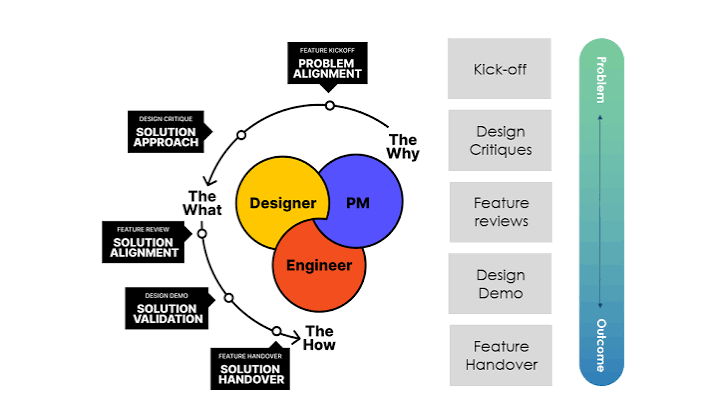
Software development is a team effort that depends on strong communication across multiple departments. Product managers define business objectives, designers improve user experience, developers build features, quality assurance specialists validate functionality, and operations teams manage infrastructure. When these groups collaborate effectively, they deploy product improvements more efficiently while reducing misunderstandings that often lead to release delays or unexpected issues.
A venture studio approach further strengthens collaboration by providing founders with experienced engineering teams, scalable development processes, and strategic technical leadership. SaaS Software Core combines institutional technical expertise with proven execution frameworks that help founders avoid common development obstacles. Access to experienced engineers, validated workflows, and enterprise-ready architecture enables startups to move faster while maintaining the high standards expected by business customers. This collaborative environment supports sustainable growth from product validation through market expansion.
Scaling SaaS Products Through Continuous Improvement
The most successful SaaS companies understand that deployment is not the end of development but the beginning of continuous improvement. After teams deploy product features, they monitor application performance, analyze customer feedback, measure adoption, and identify opportunities for optimization. Real-world usage provides valuable insights that guide future development while ensuring every release delivers measurable business value.
Scalable growth depends on combining technology with strategic execution. Organizations that continuously improve infrastructure, strengthen security, optimize development workflows, and refine go-to-market strategies create lasting competitive advantages. SaaS Software Core supports this journey by helping founders build enterprise-grade software businesses through secure infrastructure, advanced engineering, technical funding, compliance-focused architecture, and proven growth frameworks. This comprehensive approach enables software companies to move from innovative ideas to scalable SaaS enterprises capable of serving customers with confidence for years to come.
Conclusion
Successfully releasing software features requires far more than simply publishing new code. Teams that consistently deploy product updates without issues rely on careful planning, automated testing, enterprise-grade infrastructure, strong security practices, and seamless collaboration across every stage of development. These proven processes reduce technical risk, improve customer satisfaction, and create a reliable foundation for long-term software growth.
For companies building ambitious SaaS products, investing in scalable engineering and structured deployment workflows is one of the smartest decisions they can make. SaaS Software Core empowers founders with the technical expertise, secure infrastructure, compliance-ready architecture, funding support, and growth systems needed to build enterprise-quality software faster. By adopting a disciplined approach to every deployment, businesses can accelerate innovation, strengthen customer trust, and confidently scale into the next generation of successful SaaS companies.